In one operation, the dealership Rio+Sanitation This demonstrated how geophony combined with artificial intelligence technology can radically transform leak detection. Before the digitization of processes, the routine was marked by late discovery: the problem was only noticed when complaints from residents arose or signs indicated its occurrence. With 4Fluid in the field, everything changed to a proactive mode.
Leak identification
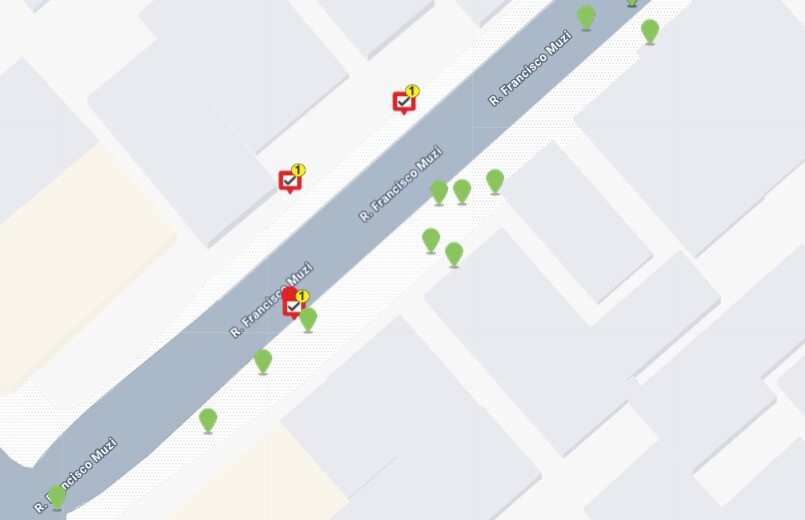
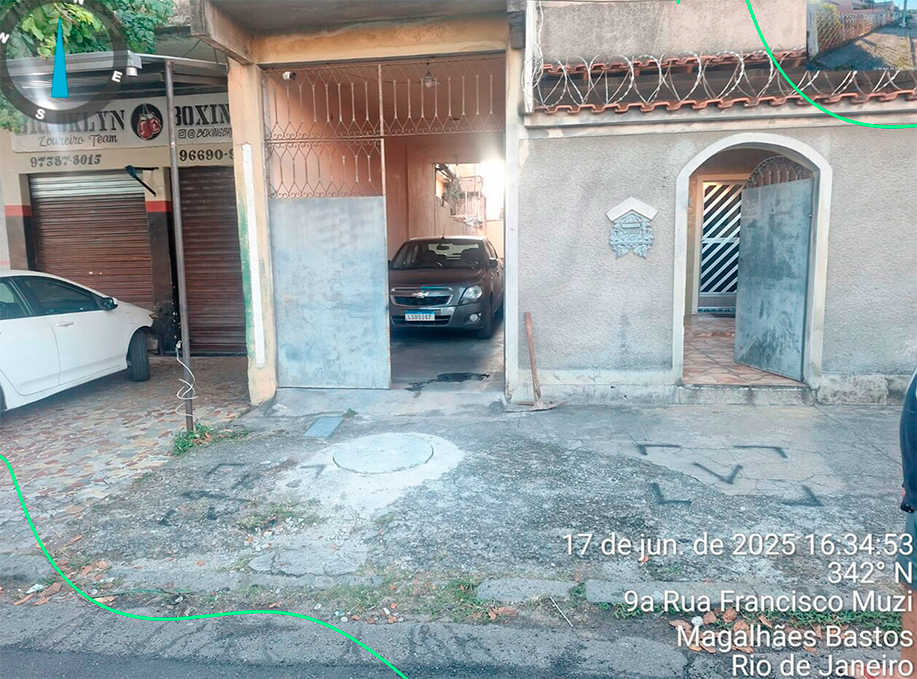
The field team collected noise samples using the 4Fluid And, through the system's artificial intelligence, it identified three suspected leak points on Rua Francisco Muzi, in the Magalhães Bastos neighborhood, in Rio de Janeiro.
This multi-point detection occurs because a large leak generates noise in nearby branches, leading to signaling in several areas.
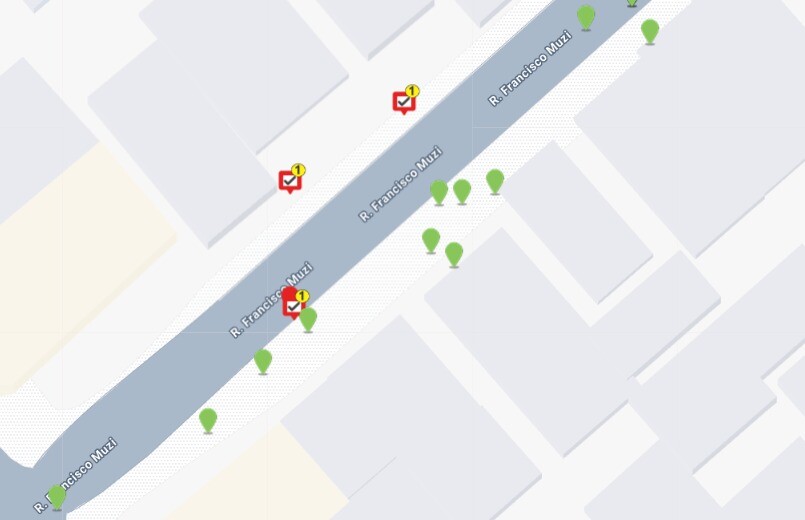
Note on the map: the points indicate the collections carried out. The red icons show the points suspected of leaks identified by the AI; the green ones show the compliant points.
Emergency repair
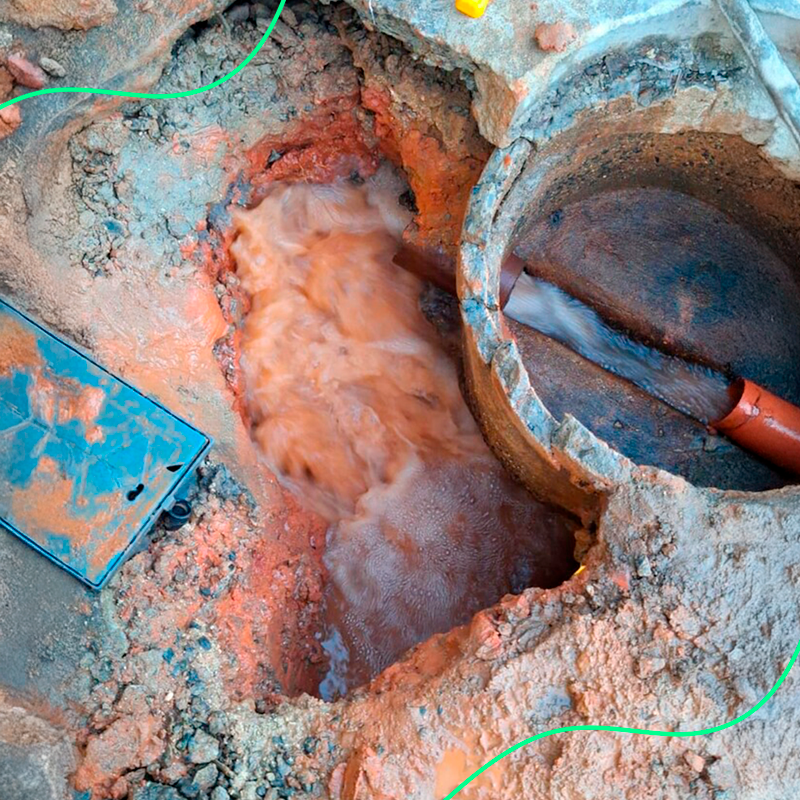
Following the investigation, the team conducted a leak survey with the support of 4Fluid and a geophone, pinpointing the exact location of the major rupture to perform precise maintenance. The water was escaping directly into the sewer system, with no evidence on the surface.
The Rio+ maintenance team found a continuous stream of dirty water, made repairs, and stopped the flow before there was any further waste.
Pressure recovery
In the surrounding properties, the average network pressure was approximately 15 mca, while at the exact point of the leak it was only 7 mca. After the repair, the pressure returned to 15 mca, restoring normal supply to the affected residences.
Testimony
See the account from Brenda Rebelo – Loss Coordinator at Rio+ Sanitation
“"I've known 4Fluid since 2018 and I can attest to how essential this technology has been in detecting invisible leaks and reducing loss rates. We have a dedicated team that performs scanning using the system, followed by field surveys with geophones at the points indicated as suspicious, for confirmation and subsequent repair.".
The case of Rua Francisco Muzi is a clear example of this efficiency. According to residents of the area, the leak had existed for quite some time. However, since the water was being directed to the sewage system, there was no visible evidence, nor certainty on the part of the customers that it was a water leak. Furthermore, the regular and high-pressure water supply in the area further masked the problem, as there were no interruptions in the supply.
Without the use of 4Fluid, identifying this leak would have been much more difficult and time-consuming. The technology was fundamental in pinpointing the leak and enabling a quick and efficient solution.”
Operating procedure and next steps
The Rio+ case study proves that acoustic monitoring combined with the digitalization of loss management accelerates detection and expands the reach of repair actions. In the coming months, Rio+ will continue expanding the use of 4Fluid to new sectors, with the goal of consolidating a fully proactive operating model.
The strategy is clear: anticipate problems, optimize field resources, and keep the water supply under control, minimizing losses and impacts on the population.
Welcome
Are you already a customer? Select one of our Modules:
 EN
EN  PT
PT  ES
ES