 EN
EN  PT
PT  ES
ES Impact
We use AI to solve the biggest bottleneck in sanitation: water distribution losses.
We optimize management to protect Earth's most essential resource and ensure responsible consumption.
Water loss is one of the challenges.
most urgent and expensive in the world
In Brazil, one loses.
40% of the collected water
in the water sources
≈ 7.2 billion m³/year
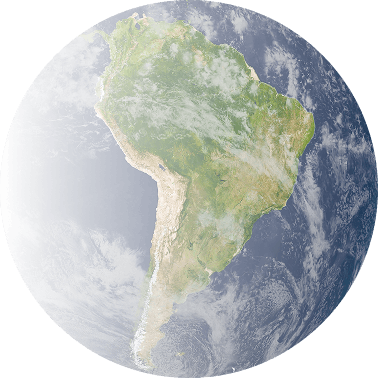
In the world
≈ 126 billion m³/year

We are signatories of the Global Compact.
We have been part of the Global Compact since 2023, a UN initiative that brings together...
Companies committed to the Sustainable Development Goals.
The lack of basic sanitation harms the health and income of vulnerable populations. Digitalization promotes access to drinking water.
Water sustains agriculture. Our technology protects the water sources that guarantee water management and food production.
Every R$ 1 spent on sanitation saves R$ 9 in healthcare, preventing waterborne diseases and optimizing vital public resources.
Sanitation increases schooling from 5.3 to 9.1 years. Water in schools reduces absenteeism and improves student performance.
38% of Brazilian women suffer from lack of sanitation. Access to water gives women back time, health, and financial autonomy.
Stattus4's main focus is on SDG 6 (target 6.4): increasing water efficiency and sustainable supply to combat scarcity.
Sanitation consumes 3% of the country's energy. Reducing losses in the network prevents electricity waste in treatment and distribution.
Stattus4 technology reduces leak detection from 180 days to 3 days, bringing productivity and efficiency to the sector.
Modernizing sanitation with smart and resilient systems transforms the operational infrastructure of cities.
70% of people without sanitation are below the poverty line. Universalizing access reduces social injustice.
Resilient cities require efficient basic services. Reducing water losses is fundamental to urban management.
The volume of water lost measures inefficiency. Sustainable management requires combating daily waste in distribution.
Climate events and changes in the water cycle threaten access to drinking water. Digitizing the system is essential for achieving balance.
Fewer losses conserve water sources and free up resources for sewage treatment. In Brazil, the equivalent of 5.3 swimming pools are emptied every day.
Brazil loses 401 Tb of collected water. Efficiency in the water network protects ecosystems by preventing excessive withdrawals from water sources.

Ensuring access to treated water reduces conflicts caused by scarcity and mitigates social tensions, promoting stability and justice.
Stattus4 collaborates with institutions and governments to apply technology in building water-resilient cities.
Download the Annual Impact and ESG Report
Generating a positive impact on society is part of...
Our Way of Being, this report is the first exercise.
what do we do to be accountable to society with
relating to the activities of Stattus4.
Every drop counts!
""There is no plan B,
because there is no planet B"
Ban Ki-moon (UN)